Eurolab
-
Energy and Sustainability Standards-
Sustainability in the Food Industry-
Eco-Friendly Transportation for Food Products

We provide comprehensive solutions designed to help our clients mitigate risks, enhance performance, and excel in key areas such as quality, health & safety, environmental sustainability, and social responsibility.
Discover
For many years, our organization has been operating successfully, boasting modern laboratories that meet international standards. These laboratories are equipped with the latest technology devices and equipment, and we have built a strong team of experienced and trained personnel to operate them.
DiscoverWelcome to Eurolab, your partner in pioneering solutions that encompass every facet of life. We are committed to delivering comprehensive Assurance, Testing, Inspection, and Certification services, empowering our global clientele with the ultimate confidence in their products and processes.
Discover
-
Energy and Sustainability Standards-
Sustainability in the Food Industry-
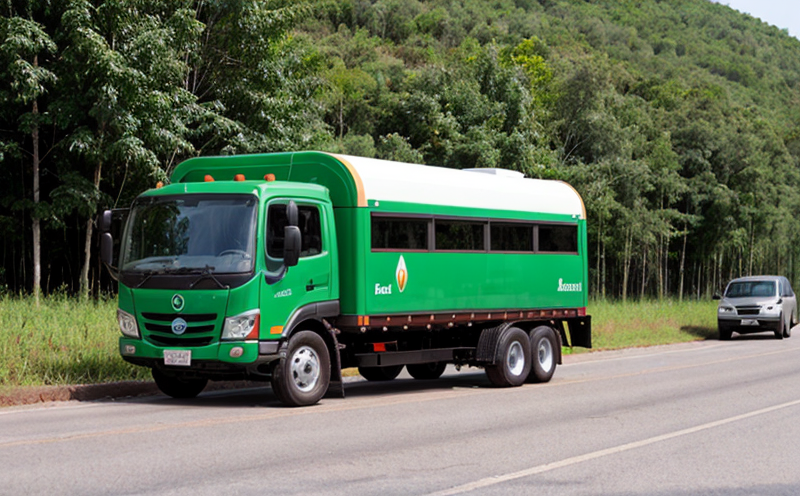
Eco-Friendly Transportation for Food ProductsTransportation plays a critical role in the global food supply chain, from delivering raw materials to distributing finished food products to retailers and consumers. However, conventional transportation methods, relying heavily on fossil fuels, are major contributors to greenhouse gas emissions, air pollution, and environmental degradation. As the food industry faces increasing pressure to reduce its environmental impact, adopting eco-friendly transportation solutions becomes essential to achieving sustainability goals.
Eco-friendly transportation for food products refers to the use of greener, cleaner, and more efficient transportation methods that minimize the environmental footprint of moving food from production to consumption. These solutions aim to reduce emissions, conserve energy, and promote sustainability throughout the entire logistics process, ultimately benefiting both the planet and food companies' bottom lines.
Transportation in the food industry accounts for a substantial portion of greenhouse gas emissions, particularly due to the reliance on diesel-powered trucks, airplanes, and ships for long-distance transport. As the global demand for food continues to grow, and the need for swift, efficient logistics increases, the food supply chain's environmental impact has become a pressing concern.
Adopting eco-friendly transportation practices can bring multiple benefits:
Several innovative transportation solutions can significantly reduce the environmental impact of food product delivery. These include a combination of renewable energy use, improved logistics practices, and advancements in vehicle technology.
1. Electric Vehicles (EVs) for Food Transport
Electric vehicles are one of the most promising solutions for reducing emissions in the transportation sector. EVs are powered by electricity stored in batteries and produce zero tailpipe emissions, making them an ideal choice for eco-friendly food transportation.
2. Hydrogen-Powered Vehicles
Hydrogen fuel cells are another promising alternative to conventional diesel-powered vehicles. These vehicles generate electricity through a chemical reaction between hydrogen and oxygen, emitting only water vapor as a byproduct.
3. Biofuel-Powered Transportation
Biofuels are renewable fuels derived from organic materials such as plants, algae, or waste products. When used in place of conventional gasoline or diesel, biofuels can help reduce carbon emissions and reliance on fossil fuels.
4. Alternative Freight and Shipping Solutions
The transportation of food products over long distances often involves shipping by sea or air. However, there are several methods to make these modes of transportation more sustainable.
5. Rail Transport
Rail is one of the most energy-efficient modes of transportation, especially for long-distance cargo transport. Electrified rail systems are a cleaner alternative to trucking and can help reduce emissions in the food supply chain.
6. Optimized Logistics and Smart Supply Chain Technology
In addition to adopting cleaner vehicles, optimizing logistics and improving supply chain efficiency are critical strategies for reducing the environmental impact of food transportation.
7. Carbon Offset Programs
While transitioning to greener transportation options is key, food companies can also invest in carbon offset programs to mitigate the environmental impact of their logistics operations. These programs support projects that reduce or capture carbon emissions, such as reforestation, renewable energy, or methane capture.
Eco-friendly transportation for food products is an essential component of a sustainable food supply chain. By adopting cleaner, more efficient transportation technologies and optimizing logistics, the food industry can significantly reduce its environmental impact and meet the growing demand for sustainable practices. Although challenges remain, the increasing availability of renewable energy sources, advancements in vehicle technology, and regulatory support will help drive the transition to a greener food transportation system. With innovation and collaboration, eco-friendly transportation can play a pivotal role in creating a more sustainable and resilient food industry.

Railway Industry Compliance
Railway Industry Compliance: Ensuring Safety and Efficiency The railway industry is a critical comp...
Chemical Safety and Certification
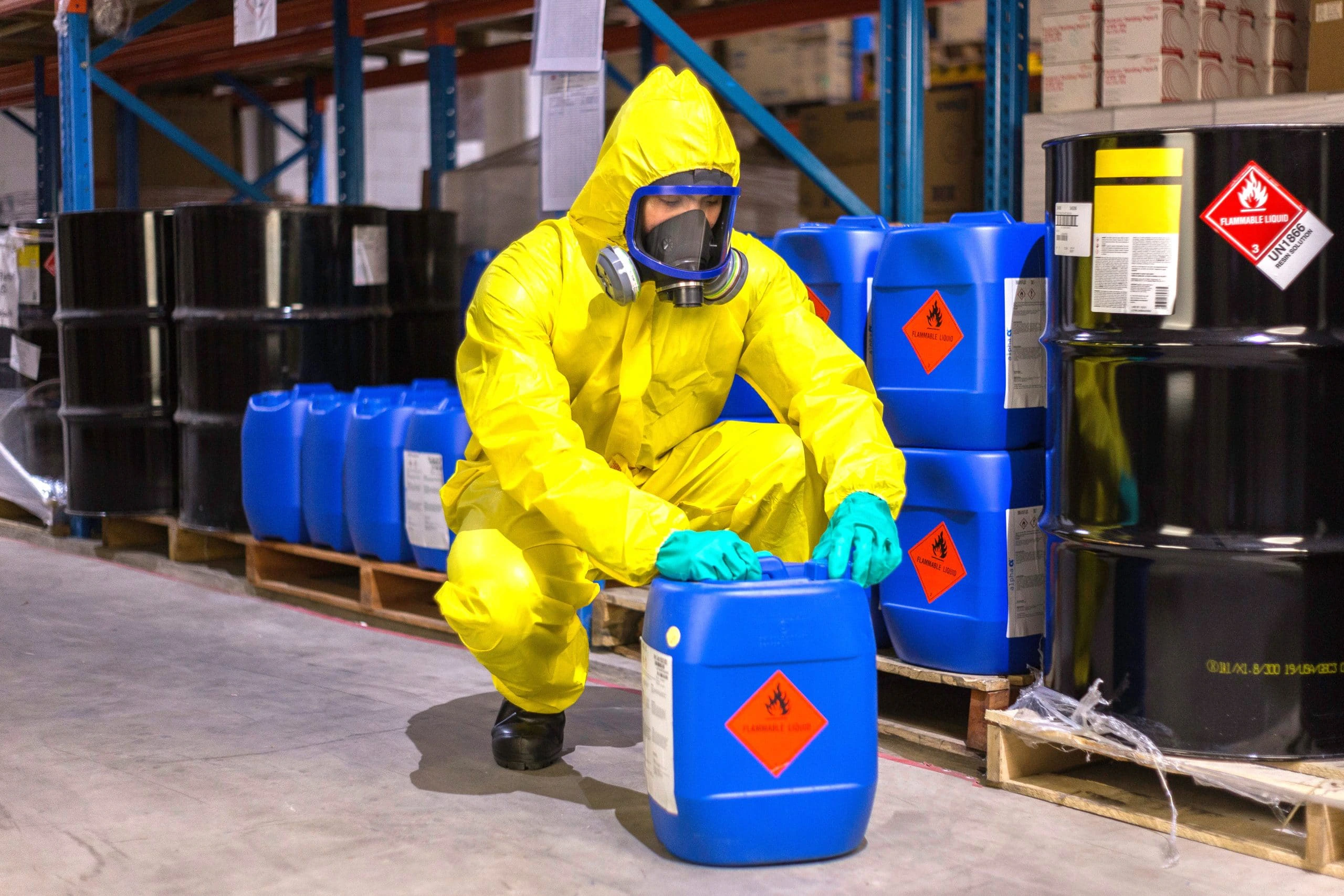
Chemical safety and certification are critical in ensuring the safe management of products and proce...

Military Equipment Standards
Military Equipment Standards: Ensuring Effectiveness and Safety The use of military equipment is a ...

Fire Safety and Prevention Standards
Fire Safety and Prevention Standards: Protecting Lives and Property Fire safety and prevention stan...

Hospitality and Tourism Certification
Hospitality and Tourism Certification: Unlocking Opportunities in the Industry The hospitality and ...

Agricultural Equipment Certification
Agricultural equipment certification is a process that ensures agricultural machinery meets specific...

Construction and Engineering Compliance
Construction and Engineering Compliance: Ensuring Safety, Quality, and Regulatory Adherence In the ...

Cosmetic Product Testing
The Complex World of Cosmetic Product Testing The cosmetics industry is a multi-billion-dollar ma...

Trade and Government Regulations
Trade and government regulations play a vital role in shaping the global economy. These regulations ...

Environmental Impact Assessment
Environmental Impact Assessment: A Comprehensive Guide Environmental Impact Assessment (EIA) is a c...

NEBS and Telecommunication Standards
Network Equipment Building System (NEBS) and Telecommunication Standards The Network Equipment Bu...

Pharmaceutical Compliance
Pharmaceutical compliance refers to the adherence of pharmaceutical companies and organizations to l...
Electrical and Electromagnetic Testing
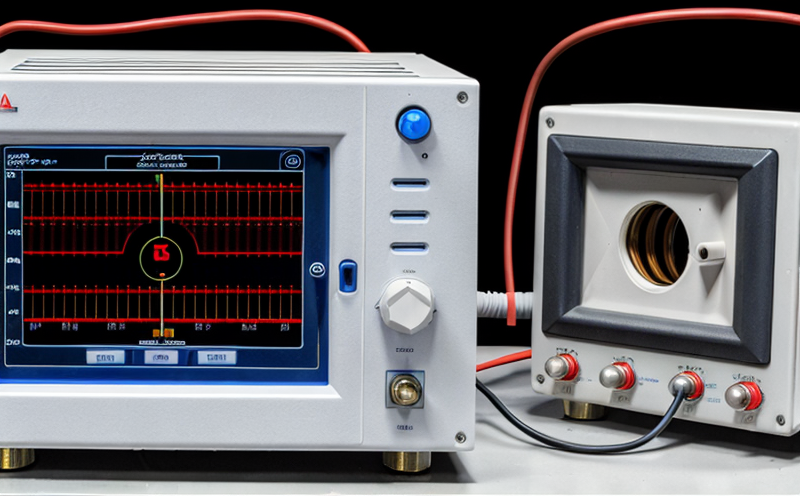
Electrical and Electromagnetic Testing: A Comprehensive Guide Introduction Electrical and electrom...

Lighting and Optical Device Testing
Lighting and Optical Device Testing: Ensuring Performance and Safety Lighting and optical devices a...

IT and Data Center Certification
IT and Data Center Certification: Understanding the Importance and Benefits The field of Informatio...

Product and Retail Standards
Product and Retail Standards: Ensuring Quality and Safety for Consumers In todays competitive marke...
Industrial Equipment Certification
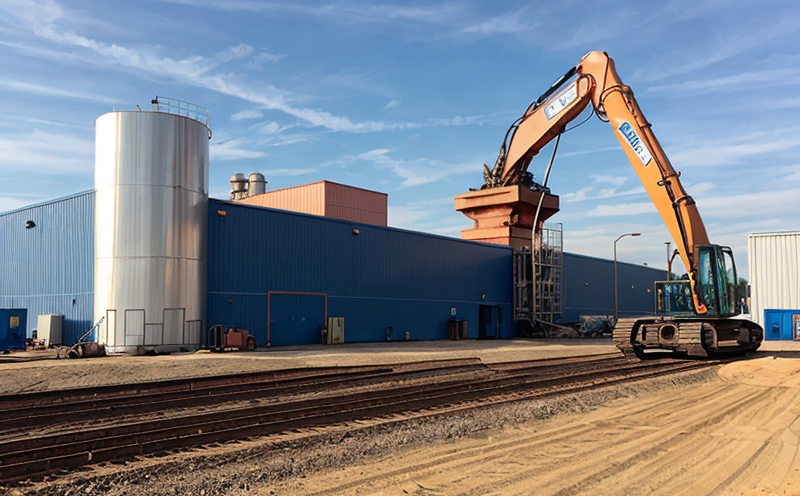
Industrial equipment certification is a critical process that ensures industrial equipment meets spe...

Aviation and Aerospace Testing
Aviation and Aerospace Testing: Ensuring Safety and Efficiency The aviation and aerospace industr...

Food Safety and Testing
Food Safety and Testing: Ensuring the Quality of Our Food As consumers, we expect our food to be sa...

Consumer Product Safety
Consumer Product Safety: Protecting Consumers from Harmful Products As a consumer, you have the rig...

Healthcare and Medical Devices
The Evolution of Healthcare and Medical Devices: Trends, Innovations, and Challenges The healthcare...
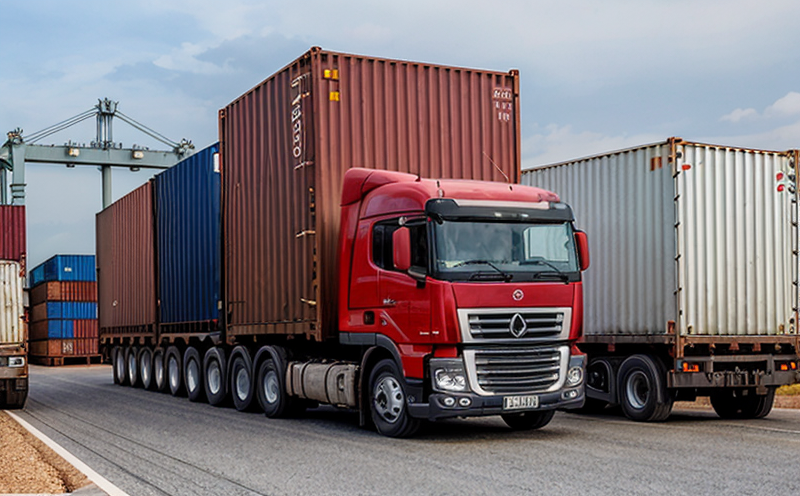
Transportation and Logistics Certification
Transportation and Logistics Certification: A Comprehensive Guide The transportation and logistics ...

Battery Testing and Safety
Battery Testing and Safety: A Comprehensive Guide As technology continues to advance, battery-power...

Environmental Simulation Testing
Environmental Simulation Testing: A Comprehensive Guide In todays world, where technology is rapidl...

MDR Testing and Compliance
MDR Testing and Compliance: A Comprehensive Guide The Medical Device Regulation (MDR) is a comprehe...

Energy and Sustainability Standards
In today’s rapidly evolving world, businesses face increasing pressure to meet global energy a...
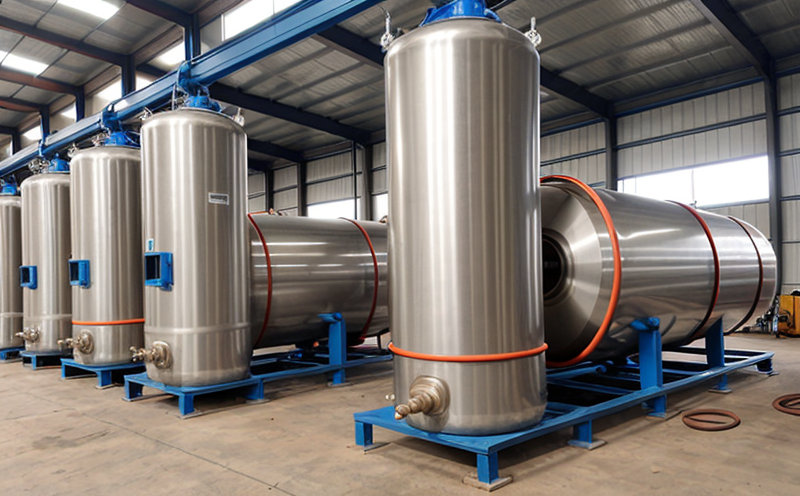
Pressure Vessels and Installations Testing
Pressure Vessels and Installations Testing Pressure vessels are a critical component of various ind...
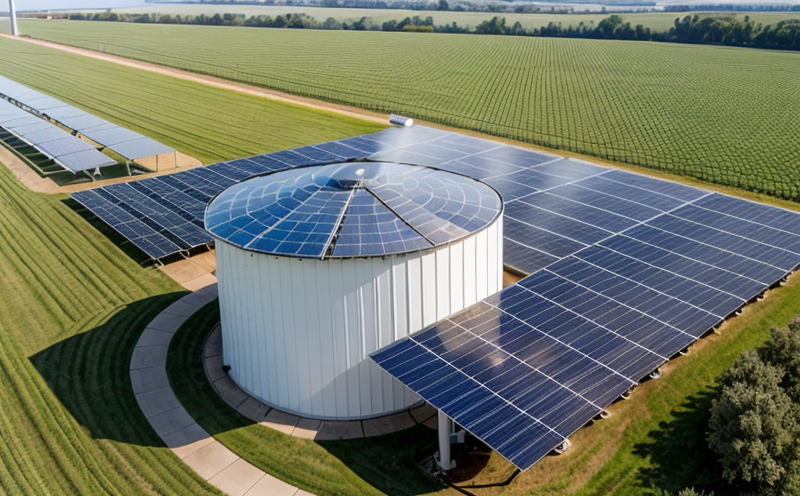
Renewable Energy Testing and Standards
Renewable Energy Testing and Standards: Ensuring a Sustainable Future The world is rapidly transiti...

Automotive Compliance and Certification
Automotive Compliance and Certification: Ensuring Safety and Efficiency The automotive industry is ...

Electromechanical Safety Certification
Electromechanical Safety Certification: Ensuring Compliance and Protecting Lives In todays intercon...